Vibrant Lines for Modern Design
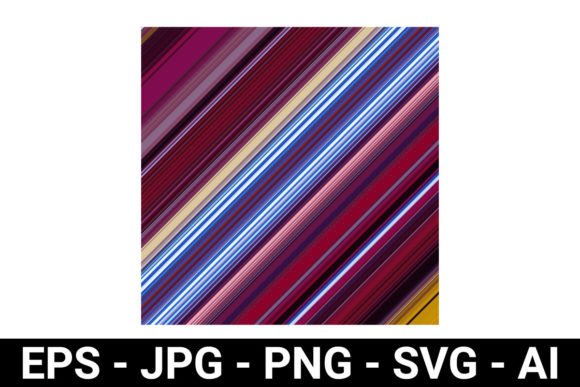
In the fast-paced world of digital communication, capturing attention within seconds is not just a goal—it is a necessity. Visual elements that combine simplicity with dynamic energy are increasingly vital for standing out in crowded feeds and professional portfolios. This is where Colorful Lines Perfect for Background become an indispensable tool for designers seeking to elevate their work without overwhelming the viewer. These assets offer a seamless blend of artistic flair and functional utility, serving as the backbone for modern visual storytelling.
From a professional graphic design perspective, the power of linear elements lies in their versatility. A well-crafted set of diagonal stripes or geometric shapes can transform a flat, uninspired layout into a vibrant composition that guides the eye and establishes rhythm. Whether you are working on a high-stakes branding project or a casual social media post, the right background elements can significantly enhance the overall aesthetic appeal and readability of your message.
The Strategic Value of Linear Elements
Integrating colorful lines into your design workflow is about more than just adding decoration; it is about creating structure. In visual design, lines act as invisible guides that help establish hierarchy. They can direct attention toward key information, separate content blocks, or add depth to a two-dimensional space. When used correctly, these elements contribute to a cohesive brand identity by reinforcing color palettes and stylistic themes across various touchpoints.
Modern aesthetics often favor minimalism, but minimal does not mean boring. By utilizing colorful lines perfect for background applications, designers can inject personality and movement into clean layouts. This balance is crucial for maintaining user engagement in UI/UX design, where clarity and visual interest must coexist. The subtle use of angle and diagonal stripes can break the monotony of grid-based layouts, making digital interfaces feel more organic and inviting.
Versatile Applications Across Media
The true strength of high-quality vector and raster assets lies in their adaptability. A comprehensive ZIP folder containing AI, EPS, SVG, JPG, and PNG formats ensures that your creative assets are ready for any medium. Here is how these elements can be applied across different design disciplines:
- Branding and Identity: Use consistent linear patterns to create recognizable textures for business cards, letterheads, and packaging design.
- Digital Marketing: Enhance social media graphics and web banners with vibrant backdrops that make text pop without causing visual clutter.
- Editorial and Print: Add sophisticated touches to brochures, posters, and magazine layouts using minimal, artistic line work that complements typography.
- Web and UI Design: Implement scalable SVGs for responsive backgrounds that look crisp on any device, improving the overall user experience.
- Fashion and Merchandise: Apply geometric stripe patterns to fabric designs, tote bags, or apparel for a modern, artistic look.
Choosing the Right Assets for Your Project
When selecting design elements, consider the context of your audience and the message you wish to convey. For corporate presentations, subtle, muted tones with clean linear structures may convey professionalism and stability. Conversely, creative projects aimed at younger demographics might benefit from bold, high-contrast colors and dynamic diagonal angles. Always ensure that the background does not compete with foreground content. Readability is paramount; if the lines distract from the text, the design has failed its primary function.
Compatibility is another critical factor. Ensure that the file formats you choose align with your design software and output requirements. Vector files like AI and EPS are ideal for print design and large-format advertising because they scale infinitely without losing quality. For web design and digital products, optimized PNGs or SVGs provide the best balance of quality and load speed.
Ultimately, the goal of incorporating these creative assets is to streamline your design process while enhancing visual impact. By leveraging pre-made, high-quality elements, you can focus more on strategy and composition rather than spending hours creating basic shapes from scratch. This efficiency allows for greater experimentation and refinement in your final outputs.
Thoughtful design choices define the success of any visual communication effort. By integrating versatile, high-quality linear elements into your toolkit, you empower yourself to create works that are not only beautiful but also effective. Whether you are crafting a new logo, designing a website, or preparing a marketing campaign, the right background elements can bridge the gap between concept and execution, ensuring your message is seen, understood, and remembered.