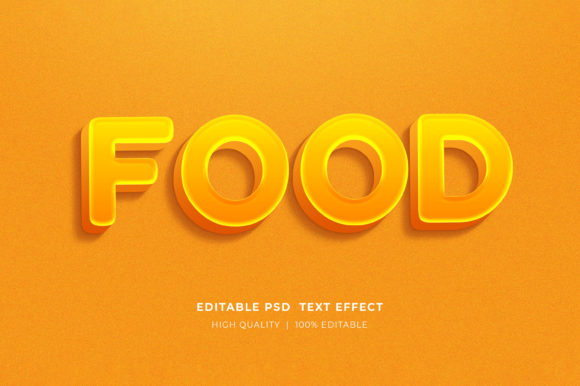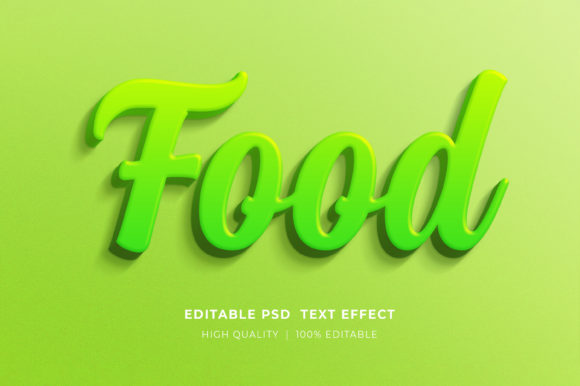
Food Editable Text Style Effect Guide
In the fast-paced world of digital design, visual appeal is often the deciding factor between a user scrolling past your content or stopping to engage. Whether you are designing a menu for a local bistro, creating a social media post for a food blog, or developing packaging for a new snack brand, typography plays a pivotal role. This is where the Food Editable Text Style Effect becomes an invaluable asset. It is not merely about choosing a font; it is about applying texture, depth, and context to your words so they resonate with the viewer’s senses.
For many creators, the barrier to entry for high-quality 3D text effects has traditionally been steep. It requires advanced knowledge of lighting, shading, and layer management in Adobe Photoshop. However, modern smart object templates have democratized this process. By utilizing a pre-built Editable 3D Text Style Effect Mockup, you can achieve professional-grade results without spending hours on technical adjustments. This approach allows you to focus on creativity and messaging rather than getting bogged down in complex software mechanics.
Why Different Creators Value Editable Text Effects
The utility of a Food Editable Text Style Effect varies significantly depending on who is using it and what their end goal is. Understanding these different perspectives can help you determine how best to integrate these tools into your workflow.
For Beginners and Hobbyists
If you are new to graphic design, the prospect of creating realistic 3D text can be intimidating. You might worry about perspective errors or inconsistent lighting. For this audience, the primary value of a smart object template is accessibility. These files are designed to be forgiving. You do not need to understand the underlying physics of light reflection to make the text look appetizing or vibrant. The priority here is ease of use and immediate gratification. By simply double-clicking a smart object, a beginner can produce work that looks like it came from a seasoned agency, boosting confidence and encouraging further learning.
For Professional Designers and Freelancers
Experienced designers often face tight deadlines and demanding clients. For them, time is money. While a professional could build a 3D text effect from scratch, doing so for every project is inefficient. Using a well-organized PSD file with smart objects allows professionals to maintain high standards while drastically reducing production time. The focus shifts from "how do I make this look good?" to "how quickly can I deliver this concept?" The flexibility to edit text and colors rapidly means they can present multiple variations to a client in a single session, enhancing their service value without increasing their workload.
For Entrepreneurs and Small Business Owners
Small business owners, particularly those in the food and beverage industry, often wear many hats. They may not have the budget to hire a full-time designer for every social media update or promotional flyer. For this group, the Food Editable Text Style Effect offers a cost-effective solution for maintaining brand consistency. Whether it is for a Facebook timeline cover, a web banner, or a printed menu, having a reliable template ensures that their marketing materials look polished and professional. The ability to update text instantly allows them to react quickly to market changes, such as announcing a daily special or a holiday promotion.
Practical Applications Across Industries
The versatility of editable 3D text effects extends far beyond simple posters. Here is how different sectors can leverage these tools to enhance their visual communication.
- Marketing and Advertising: Create eye-catching flyers and banners that stand out in a crowded feed. The 3D aspect adds depth, making the call-to-action more prominent.
- Publishing and KDP: Authors and self-publishers can use these effects for book covers, particularly for cookbooks or culinary memoirs. A textured, food-themed title can instantly convey the genre to potential readers.
- Print on Demand (POD): Designers selling T-shirts or mugs can use these mockups to visualize how their text-based designs will look on physical products before listing them for sale.
- Web Design: Website elements, such as hero headers or section dividers, benefit from the added dimensionality, making the user interface more engaging and dynamic.
How to Use the Smart Object Template
One of the most appealing aspects of these resources is their simplicity. You do not need to be a Photoshop expert to get started. The process is streamlined to ensure that anyone can achieve great results in minutes. Here is a step-by-step guide on how to change the text, logos, or icons in your Food Editable Text Style Effect file.
- Prepare Your File: Ensure you have Adobe Photoshop installed. Locate the downloaded ZIP folder. Right-click on the folder and select “Extract Here” to unzip the contents. This step is crucial as the files are compressed to save space during download.
- Open the PSD: Launch Adobe Photoshop and open the main working file. You will see a well-organized layer panel. Look for the layer labeled as a Smart Object. It usually has a small icon in the corner of the layer thumbnail.
- Edit the Text: Double-click on the Smart Object layer. A new tab will open in Photoshop. This is your editing workspace.
- Input Your Content: Select the Type Tool from the toolbar. Click on the existing text and delete it. Type in your desired text. You can adjust the font, size, and positioning here if needed.
- Save and Update: Once you are happy with your text, save the file (Ctrl+S or Cmd+S). Return to the original main tab. You will see that the 3D effect has automatically updated to reflect your new text.
This non-destructive editing process means you can go back and change the text as many times as you like without degrading the quality of the image. It also allows you to experiment with different phrases to see which one fits your design best.
Key Features to Look For
When selecting a text effect template, quality matters. A superior Editable 3D Text Style Effect Mockup should offer several key features to ensure it meets your professional needs.
First, check for high resolution. If you plan to use the design for print materials like posters or T-shirts, the file must be at least 300 DPI. RGB color mode is standard for digital use, but ensure the file is versatile enough for your intended medium. Second, look for well-organized layers. A messy file can be frustrating to navigate. Good templates group related elements logically, making it easy to toggle visibility or adjust specific components.
Additionally, the inclusion of a help file and font links is a sign of a thoughtful creator. Font licensing can be tricky, so having direct links to the fonts used in the demo ensures you can replicate the look exactly. If you encounter any issues, reliable support is essential. Many creators offer assistance through their profile pages, ensuring you are never stuck with a broken file.
Making the Right Choice for Your Project
Ultimately, the decision to use a Food Editable Text Style Effect comes down to your specific project requirements. If you need speed and consistency, these templates are unmatched. If you are looking to learn the intricacies of 3D rendering, building from scratch might be more educational, though time-consuming. For most practical applications—whether you are a blogger, a marketer, or a small business owner—the balance of quality and efficiency offered by smart object mockups is ideal.
Remember to rate your experience if you find a template helpful. Feedback inspires designers to create more diverse and useful resources. By leveraging these tools, you elevate your visual storytelling, making your content not just seen, but felt. Whether it is for a KDP book cover, a website banner, or a local flyer, the right text effect can transform your message into a memorable visual experience.