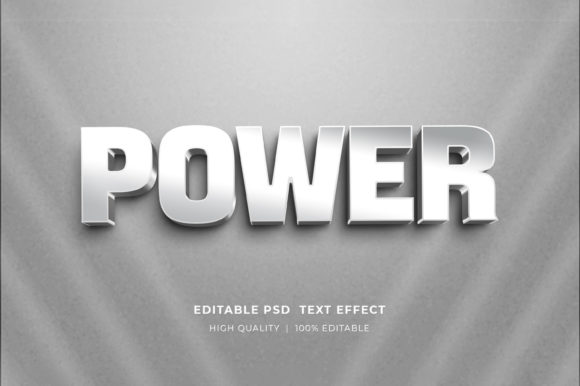
Power Editable Text Style Effect Guide
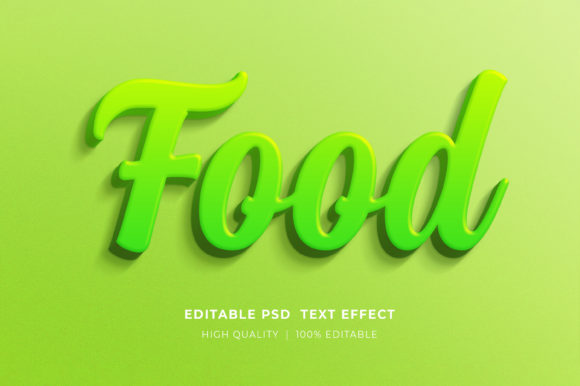
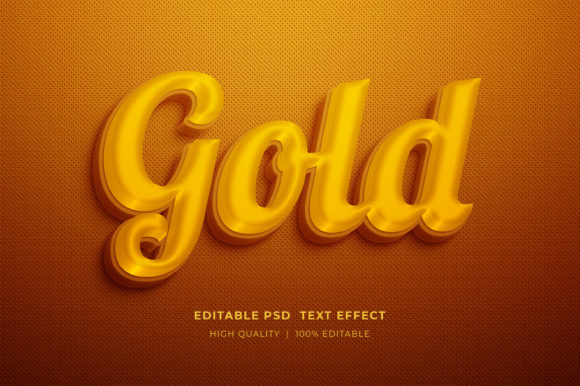
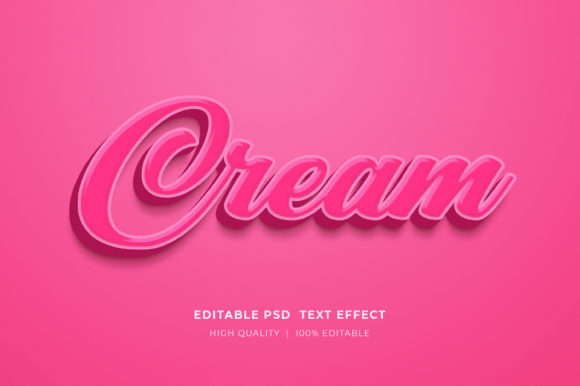
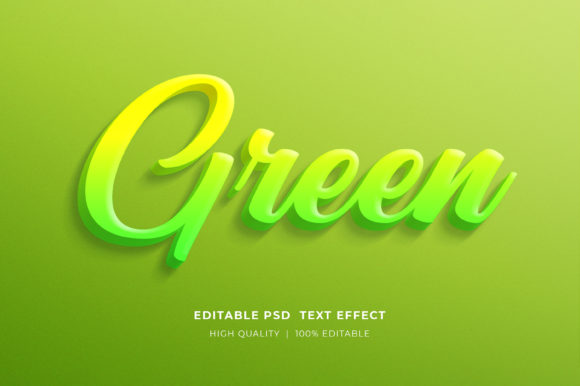
In the fast-paced world of digital design, efficiency is just as valuable as creativity. Whether you are a seasoned graphic designer, a marketing professional, or an entrepreneur launching a new brand, the ability to produce high-quality visual assets quickly can define your workflow. This is where the Power Editable Text Style Effect becomes an indispensable tool. It bridges the gap between complex 3D rendering and simple text editing, allowing creators to generate stunning typographic designs without starting from scratch.
The core appeal of this resource lies in its flexibility. By utilizing smart objects within Adobe Photoshop, designers can swap out text, adjust colors, and modify elements with just a few clicks. This eliminates the tedious process of manually recreating shadows, bevels, and lighting effects every time a headline changes. Instead, you focus on the message and the layout, letting the template handle the heavy lifting of visual polish.
Understanding the Power of Smart Objects
At the heart of any high-quality editable mockup is the smart object feature. For those new to advanced Photoshop techniques, a smart object acts as a container that preserves an image’s source content with all its original characteristics. When you use a Power Editable Text Style Effect, you are not merely typing over a flat image. You are interacting with a dynamic layer that updates the entire composition in real-time.
This technology ensures that your text retains its crispness and resolution, regardless of scaling. More importantly, it maintains the integrity of the lighting and texture maps applied to the letters. If you were to attempt this manually, you would need to map displacement filters, adjust blend modes, and paint in highlights and shadows individually. With a well-organized PSD file, these steps are automated. The result is a professional-grade 3D or stylized text effect that looks like it took hours to render, but actually takes seconds to update.
Versatile Applications for Modern Creators
The utility of editable text effects extends far beyond simple social media posts. Because these templates are high-resolution and fully customizable, they serve a wide array of industries and project types. Here is how different creators can leverage this tool to enhance their work:
- Marketing and Advertising: Create eye-catching web banners and Facebook timeline covers that stand out in crowded feeds. Consistent typography helps reinforce brand identity across campaigns.
- Print on Demand (POD): Designers selling T-shirts, mugs, or posters can rapidly prototype new slogans. The ability to change text instantly allows for A/B testing different phrases to see which resonates best with audiences.
- Publishing and KDP Covers: Self-published authors need compelling book covers. A 3D text effect can give a title the prominence it needs on thumbnail-sized images, ensuring readability and impact.
- Corporate Presentations: Elevate logo presentations and pitch decks with sophisticated typographic headers that convey professionalism and attention to detail.
- Event Promotion: From flyers to large-format banners, editable effects allow event organizers to update dates and venues without losing the visual theme of the original design.
The key to successful application is context. A gritty, textured effect might suit a rock concert poster, while a clean, metallic 3D style may be better suited for a tech product launch. Understanding the emotional weight of different text styles allows you to choose the right template for your specific audience.
How to Edit and Customize Your Design
One of the most common concerns for users new to PSD templates is the editing process. However, the Power Editable Text Style Effect is designed for simplicity. You do not need to be a Photoshop expert to achieve professional results. The workflow is intuitive and streamlined to save you time.
To begin, ensure you have extracted the files correctly. Since the download comes in a compressed zipped format, you must right-click the folder and select “Extract Here” to access the contents. Once opened in Adobe Photoshop, look for the layer named “Smart Object” or similar, often indicated by a small icon in the corner of the layer thumbnail.
- Open the Smart Object: Double-click on the smart object layer. This will open a new tab containing the source text.
- Edit the Text: Select the Type Tool from the toolbar. Click on the existing text and replace it with your desired wording. You can also change the font here if the license permits, though sticking to the original font often ensures the best fit for the effect.
- Save and Update: Press Ctrl+S (or Command+S on Mac) to save the changes. Close the smart object tab and return to your main document. You will see the main canvas update automatically with your new text, complete with all shadows, reflections, and textures.
- Adjust Colors and Elements: Many templates include adjustment layers for hue, saturation, and brightness. Use these to match the text color to your brand palette without breaking the lighting effects.
This non-destructive editing method means you can experiment freely. If you do not like the result, simply reopen the smart object and try again. Your original file remains untouched, providing a safe space for creative exploration.
Maintaining Quality and Consistency
While templates offer speed, maintaining originality and quality requires a thoughtful approach. Relying too heavily on default settings can make your designs look generic. To keep your work distinct, consider adjusting the surrounding elements. Change the background color, add subtle grain, or integrate custom icons that align with your message.
Organization is also crucial. High-quality PSD files come with well-organized layers, but as you add your own elements, it is easy to create clutter. Name your layers clearly and group related items. This practice not only helps you stay efficient during the current project but also makes it easier to revisit the file months later for updates.
Furthermore, always check the resolution requirements for your final output. While these templates are typically high-resolution and suitable for print, exporting for web requires different settings. Save web versions as PNG or JPG at 72 DPI, while keeping the master PSD file at 300 DPI for any potential print needs like flyers or book covers.
Final Thoughts on Creative Efficiency
The Power Editable Text Style Effect is more than just a shortcut; it is a catalyst for creativity. By removing the technical barriers of 3D text creation, it allows designers to focus on storytelling and visual hierarchy. Whether you are creating a logo presentation, a social media ad, or a merchandise design, these tools empower you to produce polished, professional work efficiently.
Remember, the best designs are those that communicate clearly and resonate with the intended audience. Use these editable effects as a foundation, but infuse them with your unique perspective. Adjust colors, tweak layouts, and combine elements to create something that is not only visually striking but also strategically effective.
If you encounter any issues during the extraction or editing process, support is usually available through the creator’s profile page. Engaging with the community and providing feedback, such as rating the design, helps inspire creators to develop even more innovative resources. By leveraging these tools wisely, you can elevate your design portfolio and meet the demands of modern digital marketing with confidence and style.