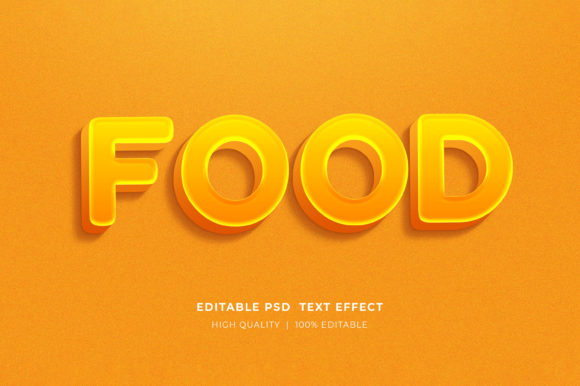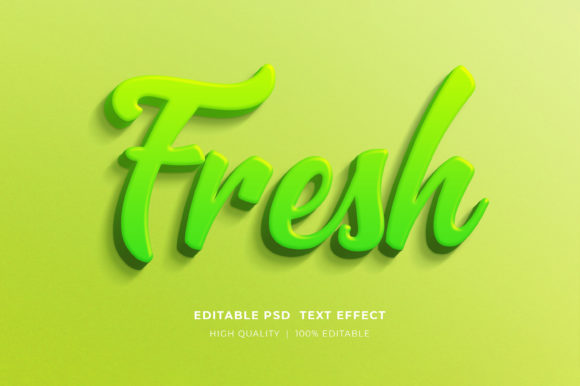
Fresh Editable Text Effect Mockup Guide
In the fast-paced world of digital design, first impressions are often formed in milliseconds. Whether you are crafting a social media post, designing a book cover for Amazon KDP, or preparing a high-stakes brand presentation, the way your text interacts with its environment can make or break the viewer’s engagement. This is where a Fresh Editable Text Effect Mockup becomes an indispensable tool in your creative arsenal. Unlike static images that require hours of manual rendering, these smart object-based templates allow you to visualize complex 3D styles, shadows, and textures instantly. They bridge the gap between a flat concept and a polished, professional final product, saving valuable time while elevating the perceived quality of your work.
Understanding the Visual Appeal and Versatility
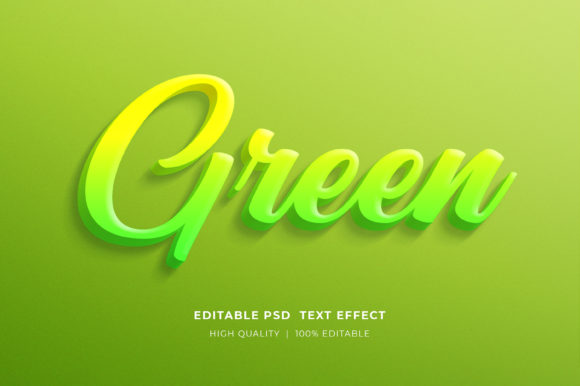
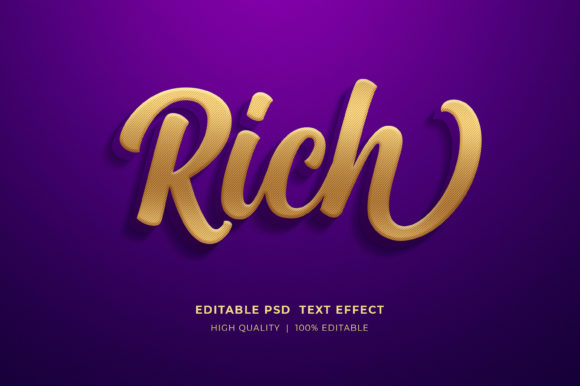
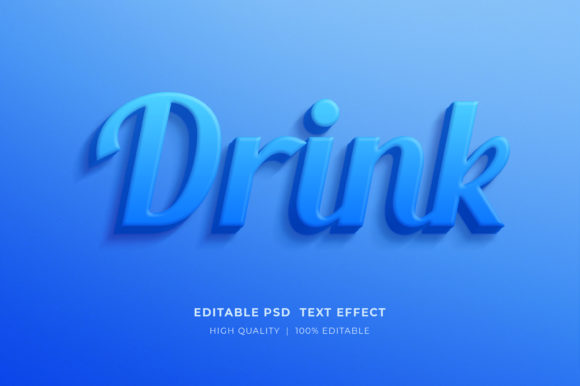
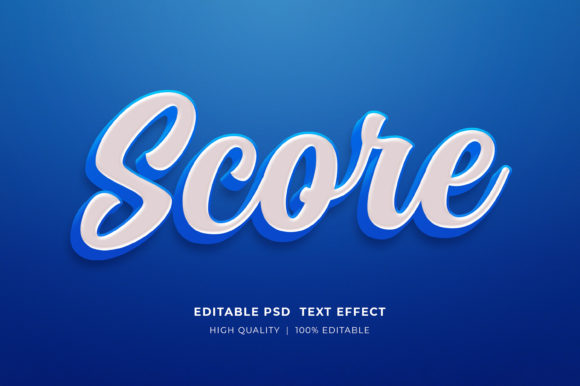
The core strength of an Editable 3D Text Style Effect Mockup lies in its ability to add depth and tactile realism to your typography. When you apply your text to these templates, the result is not just a change in font family, but a transformation in how the text occupies space. You might see subtle bevels that catch imaginary light, soft drop shadows that ground the letters, or textured overlays that mimic materials like metal, paper, or neon glass. This visual richness helps your message stand out in crowded feeds or on cluttered bulletin boards.
These effects are incredibly versatile. For logo design, they allow clients to see how a mark might look embossed on business cards or signage. In packaging design, you can simulate how typography wraps around a product label. For social media graphics, particularly Facebook timelines or Instagram stories, the added dimension stops the scroll. The personality of the effect can range from sleek and modern—ideal for tech startups—to rugged and distressed, perfect for outdoor brands or vintage-themed events. By using a well-organized PSD file, you maintain full control over this aesthetic, ensuring it aligns perfectly with your brand identity.
Practical Applications Across Industries
The utility of these mockups extends far beyond simple graphic exercises. Consider the needs of different professionals who rely on quick, high-quality visual outputs:
- Entrepreneurs and Small Business Owners: You can create professional-looking flyers and banners for local events without hiring an expensive agency. The ability to edit text and colors means you can repurpose one template for multiple campaigns.
- Publishers and Authors: For KDP book cover design, a 3D text effect can give your title the prominence it needs on a thumbnail-sized image. It adds a layer of sophistication that suggests a high-production-value interior.
- Print-on-Demand (POD) Sellers: When designing T-shirts or mugs, seeing your text with realistic fabric textures or ceramic reflections helps you predict how the final product will look to customers, reducing return rates due to mismatched expectations.
- Web Designers: Creating hero sections or web banners with textured typography can add visual interest to landing pages, guiding the user’s eye to key calls to action.
Each of these applications benefits from the consistency provided by smart objects. Instead of rebuilding effects from scratch for every new project, you maintain a uniform look across all your marketing materials. This consistency is crucial for building recognition and trust with your audience.
How to Use and Customize Your Mockup
One of the most common concerns for designers new to Photoshop templates is the technical process. However, using a Fresh Editable Text Effect Mockup is designed to be intuitive, even for those with intermediate skills. The workflow relies on Adobe Photoshop’s Smart Object feature, which acts as a container for your content. Here is a straightforward guide to getting started:
- Extract the Files: Downloaded files typically come in a compressed ZIP format. Right-click the folder and select “Extract Here” to access the PSD files. Keeping your workspace organized from the start prevents lost assets later.
- Open the PSD: Launch Adobe Photoshop and open the main mockup file. You will see a layered structure that is usually well-organized and labeled.
- Locate the Smart Object: Look for a layer named something like “Edit Text” or “Your Design Here.” It will have a small icon in the corner indicating it is a Smart Object.
- Edit the Content: Double-click the Smart Object thumbnail. A new tab will open. Select the Type Tool, click on the existing text, and replace it with your desired copy. You can also adjust font size, color, and spacing here.
- Save and Update: Press Ctrl+S (or Cmd+S on Mac) to save the changes. Close the tab and return to the main document. Your new text will automatically appear with all the applied 3D effects, shadows, and textures.
This non-destructive editing process means you can experiment freely. If you do not like the result, simply reopen the Smart Object and tweak it again. The original effects remain intact, ready to adapt to your new input.
Enhancing Brand Perception and Readability
Beyond convenience, these tools play a strategic role in editorial design and branding. Typography is not just about readability; it is about voice. A heavy, shadowed 3D font conveys stability and importance, while a sleek, minimal effect suggests innovation and clarity. By choosing the right effect, you influence how your audience perceives your message before they even read the words.
However, it is essential to balance style with function. While a dramatic 3D effect can grab attention, it must not compromise legibility. Always test your final design at various sizes. Does the text remain clear on a mobile screen? Is the contrast sufficient against the background? A good mockup allows you to adjust lighting and opacity, giving you the flexibility to ensure your creative font choices enhance rather than hinder communication.
Furthermore, using high-resolution, RGB-color files ensures that your designs look crisp on digital platforms. For print projects, remember to check if the template supports CMYK conversion or if it is strictly for digital previewing. Most modern mockups are optimized for screen display, making them ideal for web banners, email headers, and digital ads.
Making the Most of Your Design Assets
To truly leverage a premium font or text effect, consider how it pairs with other elements in your composition. If your text is bold and three-dimensional, keep surrounding graphics minimal to avoid visual clutter. Use negative space to let the typography breathe. If you are incorporating icons or logos, ensure they share a similar visual weight and style to maintain harmony.
When selecting a mockup, look for features like easy-to-edit layers and comprehensive organization. A well-structured file saves time and reduces frustration. Additionally, check the licensing terms. Most commercial-use mockups allow you to use the final rendered images in client projects, but always verify if the font itself requires a separate license. Many templates include free fonts, but others may require you to purchase a commercial font license for specific typefaces.
If you encounter any issues during the extraction or editing process, most creators offer support through their profile pages. Do not hesitate to reach out for help. And if you find the tool valuable, leaving a rating helps support the community of designers who create these resources. By integrating these editable effects into your workflow, you elevate your output, streamline your process, and deliver more impactful visual stories.