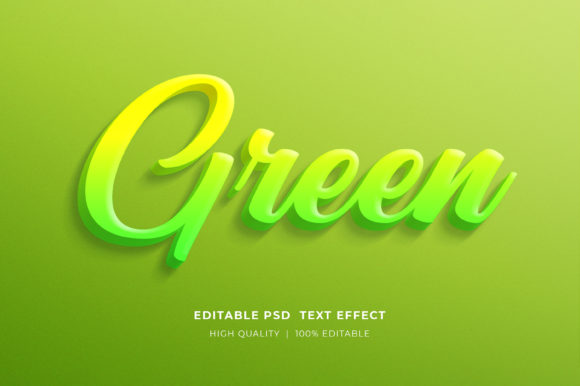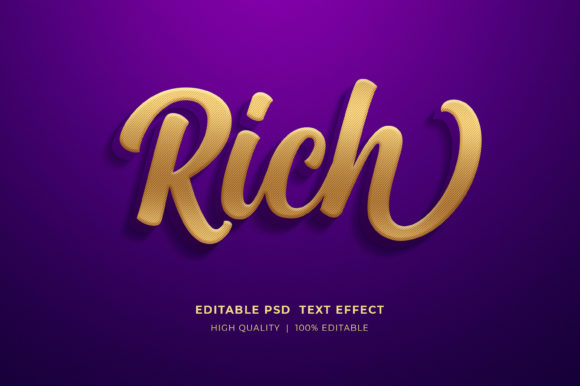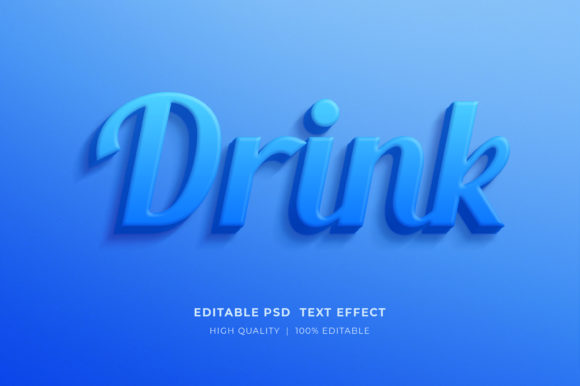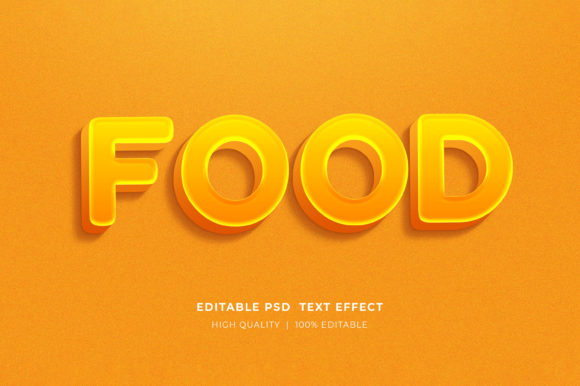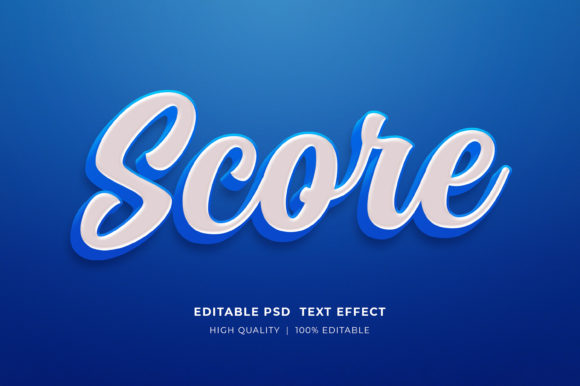
Score Editable Text Effect Mockup Guide
In the fast-paced world of digital design, presentation is often just as critical as the design itself. Whether you are showcasing a new brand identity, launching a book, or promoting a service on social media, the way your work is displayed can significantly influence how it is perceived. This is where a Score Editable Text Effect Mockup becomes an indispensable tool. It bridges the gap between a flat digital file and a tangible, professional-looking visual asset, allowing creators to present their ideas with clarity and impact.
For many, the term "mockup" might suggest a complex, time-consuming process reserved for senior graphic designers. However, modern smart object technology has democratized this process. By utilizing an editable 3D text style effect mockup, individuals across various skill levels can achieve high-end results without needing advanced technical expertise. The core value lies in its flexibility and ease of use, making it a versatile asset for a wide range of projects.
Understanding the Utility for Different Creators
The appeal of an editable text effect mockup varies significantly depending on who is using it and what they hope to achieve. For a beginner, the primary concern is often accessibility. They need a tool that does not require a steep learning curve. For a seasoned professional, the priority shifts to efficiency and customization. They need a file that is well-organized, layered logically, and capable of producing high-resolution outputs suitable for large-format printing or detailed digital campaigns.
Consider the freelancer or small business owner. Time is a scarce resource. When pitching to a client, sending a flat JPEG of a logo or text design rarely conveys the full potential of the concept. By using a smart object mockup, they can instantly visualize how their design looks in a real-world context. This could be a textured poster, a sleek web banner, or a branded T-shirt. The ability to double-click a smart object, insert their text, and save changes means they can iterate through multiple concepts in minutes rather than hours. This speed enhances their professional image and helps secure approvals faster.
For educators and students, these tools serve a different purpose. They are excellent for teaching principles of typography, lighting, and perspective. Instead of spending weeks mastering complex 3D rendering software, students can focus on the creative aspects of design—such as font selection, color theory, and composition. The mockup handles the technical heavy lifting, allowing learners to see immediate results from their creative choices. This instant feedback loop is crucial for building confidence and understanding how text interacts with light and shadow.
Practical Applications Across Industries
The versatility of the Score Editable Text Effect Mockup extends far beyond simple logo presentations. Its application is limited only by the user’s imagination. Here is how different sectors can leverage this tool:
- Marketing and Advertising: Marketers can create eye-catching Facebook timelines, Instagram posts, and web banners. The 3D effect adds depth to static images, making them more likely to stop users from scrolling past ads.
- Publishing and KDP Authors: Self-published authors often struggle with creating compelling book covers. An editable mockup allows them to test different title fonts and styles on a realistic 3D book cover template before finalizing their design for Kindle Direct Publishing (KDP).
- Print on Demand (POD): Designers selling T-shirts, mugs, or posters online need to show customers exactly what the final product will look like. Using a high-resolution mockup ensures that the texture of the fabric or the sheen of the paper is visible, increasing consumer trust and conversion rates.
- Corporate Branding: Large organizations can use these files for internal presentations or external reports. A consistent, high-quality visual style helps reinforce brand authority and professionalism.
How to Use the Smart Object Feature
One of the most significant advantages of this type of PSD file is its user-friendly editing process. You do not need to be a Photoshop expert to make changes. The workflow is designed to be intuitive, ensuring that even those with minimal experience can achieve professional results. Here is a step-by-step breakdown of how to customize the text and effects:
- Open the File: Launch Adobe Photoshop and open the provided PSD file. Ensure you have a version of Photoshop that supports smart objects, which is standard in most recent releases.
- Locate the Smart Object: In the layers panel, look for the layer designated as the smart object. It is usually clearly labeled to help you find it quickly among the other layers.
- Edit the Content: Double-click on the smart object thumbnail. This action will open a new tab in Photoshop containing the source file for the text.
- Input Your Text: Select the Type Tool from the toolbar. Click on the existing text layer and replace it with your desired wording. You can adjust the font, size, and alignment here if needed, though keeping the original structure often yields the best 3D effect.
- Save and Update: Once you are satisfied with your text, save the file (Ctrl+S or Cmd+S). Return to the main mockup tab, and you will see your changes automatically applied to the 3D scene.
This non-destructive editing method means you can experiment freely. If you do not like the result, you can simply reopen the smart object and try again. The original file remains intact, preserving the quality of the lighting and shadows.
Key Features and Technical Specifications
When evaluating a mockup resource, technical details matter. A high-quality Score Editable Text Effect Mockup should offer more than just a pretty picture. It should be built on a foundation of reliability and flexibility. Key features to look for include:
- High-Resolution RGB Color: Ensures that the output is crisp and vibrant, suitable for both screen display and high-quality printing.
- Well-Organized Layers: A clean layer structure makes it easy to toggle visibility, adjust colors, or modify background elements without confusion.
- Editable Text and Color: Beyond just the text, the ability to change colors allows for seamless integration with existing brand guidelines.
- Included Help File and Font Links: Good resources provide documentation. If specific fonts are used, links to download them ensure that the design looks exactly as intended.
Additionally, since these files are typically distributed in a compressed zipped format, users must remember to extract the folder before use. Simply right-clicking the zip folder and selecting “Extract Here” will provide access to all necessary assets. This small step prevents common errors where users try to open files directly from the archive, which can lead to corrupted data or missing links.
Making the Right Choice for Your Project
Deciding whether to use a pre-made mockup depends on your specific goals. If you are looking for a quick, professional presentation for a client pitch or a social media post, an editable 3D text style effect mockup is an ideal solution. It saves time, reduces the need for specialized 3D skills, and provides a polished final product.
However, it is also important to consider the context. For highly unique, custom branding projects where every pixel must be original, a mockup might serve only as a starting point or a conceptual tool. In such cases, the mockup helps visualize the direction, but the final deliverable may require custom-built elements. For most entrepreneurs, bloggers, and marketers, though, the balance of speed and quality offered by these tools is unmatched.
Ultimately, the value of the Score Editable Text Effect Mockup lies in its ability to empower creators. It removes technical barriers, allowing you to focus on creativity and messaging. Whether you are designing a flyer for a local event, creating a website header, or developing a new product line, this tool helps you present your work with the professionalism it deserves. By leveraging these resources, you can elevate your visual communication, engage your audience more effectively, and streamline your design workflow.
If you encounter any difficulties during the extraction or editing process, most creators offer support through their profile pages. Engaging with the community and providing feedback, such as rating the resource, helps inspire designers to create more useful tools in the future. This cycle of creation and support fosters a richer ecosystem for digital artists and businesses alike.