Integrating Spider Web Silhouettes and Halloween Elements into Professional Design Workflows
In the realm of seasonal graphic design, efficiency and aesthetic precision are paramount. For professionals ranging from marketing managers to freelance illustrators, the demand for high-quality, versatile assets peaks every autumn. Among the most enduring and adaptable motifs is the spider web. While often viewed merely as a decorative flourish, Halloween Elements. Spider Web. represents a critical component in a broader visual strategy. When utilized correctly, these assets streamline production timelines, ensure brand consistency, and elevate the perceived quality of seasonal campaigns. This article explores how to effectively integrate spider web silhouettes and related Halloween designs into your existing workflows, focusing on practical implementation, file format compatibility, and strategic usage across various media.
Understanding the Asset Ecosystem
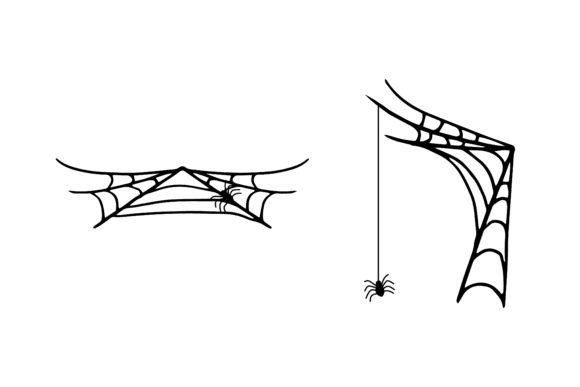
Before diving into execution, it is essential to understand what constitutes a professional-grade asset pack. A comprehensive collection labeled under Halloween Elements. Spider Web. typically includes more than just a single image. It encompasses a variety of silhouette styles, from intricate, realistic webs to stylized, minimalistic lines. The value lies in the diversity of the Halloween Silhouette Collection. These elements are not standalone products but modular components designed to interact with other design layers.
The inclusion of multiple file formats—specifically SVG, Ai, Eps, JPG, and PNG—is not arbitrary. Each format serves a distinct purpose in the design pipeline. Vector formats like Ai (Adobe Illustrator) and Eps (Encapsulated PostScript) allow for infinite scalability without loss of quality, making them ideal for large-format printing such as banners, vehicle wraps, or storefront window decals. SVG (Scalable Vector Graphics) is crucial for web development, offering lightweight code that renders sharply on any screen resolution. Conversely, raster formats like JPG and PNG are ready-to-use for quick social media posts, email headers, or digital advertisements where editing capabilities are secondary to immediate deployment.
Strategic Placement in the Design Process
Integrating spider web Silhouette halloween designs requires planning at different stages of a project. Depending on your role, you might encounter these assets during the conceptual phase, the production phase, or the final quality assurance stage.
Pre-Production and Conceptualization
During the brainstorming phase, designers often create mood boards to establish the tone of a campaign. Here, spider web elements serve as foundational textures. Instead of drawing complex webs from scratch, which can be time-consuming and inconsistent, professionals use pre-made silhouettes to test composition balance. By layering these elements in software like Adobe Photoshop or Illustrator, you can quickly determine if a "creepy" or "playful" aesthetic better suits the client’s brand voice. This rapid prototyping saves hours of manual illustration time and allows for faster stakeholder approval.
Production and Implementation
Once the concept is approved, the workflow shifts to execution. This is where file format selection becomes critical. If you are designing a packaging label for a limited-edition Halloween product, you will likely work in vector-based software. Importing the Ai or Eps files ensures that the delicate strands of the spider web remain crisp, even when scaled down to fit small labels. For digital marketers creating Instagram stories or Facebook ads, the PNG format with transparent backgrounds is invaluable. It allows the web overlay to sit seamlessly atop photography or solid color backgrounds without requiring additional masking or erasing steps.
For web developers and UI designers, the SVG format offers unique advantages. SVGs can be manipulated via CSS, allowing for interactive effects such as changing the color of the web on hover or animating the strands slightly to catch the user’s attention. This level of interactivity enhances user engagement without significantly impacting page load speeds, a key metric in modern web performance optimization.
Workflow Integration and Compatibility
The true power of a well-curated Halloween Silhouette Collection lies in its compatibility with standard industry tools. Most professional designers operate within the Adobe Creative Cloud ecosystem, but others may use Affinity Designer, CorelDRAW, or open-source alternatives like Inkscape. High-quality assets should be universally compatible.
- Adobe Illustrator: Use Ai and Eps files for full editability. You can expand paths, adjust anchor points, and modify stroke weights to match specific brand guidelines.
- Adobe Photoshop: Import SVGs as smart objects to maintain scalability, or use PNGs for quick compositing. Layer blending modes such as "Multiply" or "Overlay" can help integrate the black silhouettes naturally into textured backgrounds.
- Web Development: Embed SVG code directly into HTML or link to external SVG files. This ensures accessibility and SEO benefits, as search engines can read the vector data.
- Canva and Non-Professional Tools: JPG and PNG formats are essential for users who rely on drag-and-drop platforms. These formats ensure that the spider web Silhouette halloween designs look professional even without advanced editing software.
When integrating these elements, organization is key. Establish a consistent folder structure for your assets. Separate vectors from rasters, and categorize by style (e.g., "Realistic," "Cartoon," "Minimalist"). This reduces search time during high-pressure deadlines and ensures that team members can locate the correct files quickly.
Quality Control and Consistency
Using pre-made elements does not absolve the designer of quality control responsibilities. In fact, it requires a keen eye for consistency. When using Halloween Elements. Spider Web. across multiple deliverables, ensure that the visual weight and style remain uniform. Mixing a highly detailed, realistic web with a simplistic, cartoonish one can create visual dissonance that undermines the professionalism of the campaign.
Check for clean paths in vector files. Poorly constructed vectors may have unnecessary anchor points or open paths that cause issues when cutting vinyl or printing. For raster images, verify resolution standards. A JPG intended for print should be at least 300 DPI, while web-based PNGs should be optimized for file size without sacrificing visual clarity. Regular audits of your asset library help maintain high standards and prevent the use of outdated or low-quality graphics.
Practical Use Cases Across Industries
The versatility of spider web Silhouette halloween designs extends beyond traditional holiday greetings. Consider the following applications:
- Retail and E-commerce: Use subtle web overlays on product photography to create a seasonal atmosphere without obscuring the merchandise. This technique works well for fashion, home decor, and food industries.
- Event Planning: Large-format EPS files can be sent to print shops for creating custom backdrops, photo booth props, or invitation cards. The scalability ensures that the design looks sharp whether printed on a business card or a ten-foot banner.
- Education and Publishing: Teachers and publishers can use simple PNG silhouettes to decorate worksheets, newsletters, or classroom presentations. The clear black-and-white contrast is ideal for printing on standard office printers.
- Social Media Marketing: Create template sets using SVG or PNG elements. These templates can be reused annually, providing a consistent brand identity for Halloween campaigns while reducing design costs year over year.
Long-Term Value and Asset Management
Investing in a comprehensive Halloween Silhouette Collection is a long-term strategy. Unlike trend-specific graphics that may become obsolete, spider webs are a timeless Halloween motif. By acquiring high-quality, multi-format assets now, you build a reusable library that supports future projects. This approach aligns with sustainable design practices, reducing the need to purchase new assets every season.
Furthermore, maintaining a well-organized digital asset management system allows for efficient retrieval. Tag your files with relevant keywords such as "spooky," "web," "silhouette," and "Halloween." This metadata enhances searchability within your internal systems, ensuring that you can leverage these resources effectively whenever the season returns.
In conclusion, Halloween Elements. Spider Web. is more than a decorative clipart; it is a functional tool in the professional designer’s arsenal. By understanding the technical specifications of each file format, integrating these elements thoughtfully into your workflow, and maintaining rigorous quality control, you can enhance the efficiency and impact of your seasonal projects. Whether you are a marketer launching a campaign, a developer building an interactive site, or a small business owner creating flyers, these assets provide the flexibility and quality needed to succeed in a competitive visual landscape.